
Traumatic dental injuries occur suddenly and without warning, often resulting from sports accidents, falls, or vehicle collisions. Whether you’ve experienced a knocked out tooth, tooth fracture, or soft tissue injuries, immediate treatment is essential for saving damaged teeth and preventing long-term complications. The difference between a successful recovery and permanent tooth loss often depends on how quickly you receive professional care and the quality of that treatment.
At Seattle Dental Studio, Dr. Dbouk provides expert care for traumatic dental injuries with advanced techniques and compassionate treatment. Dr. Dbouk brings extensive training in restorative dentistry to provide comprehensive treatment for various dental injuries, helping patients recover both functionally and aesthetically.
When dental trauma occurs, your immediate actions significantly influence treatment outcomes. Knowing the proper emergency response for different types of traumatic dental injuries helps preserve teeth and minimize complications. These guidelines provide crucial first aid until you can reach Seattle Dental Studio for professional emergency dental care.
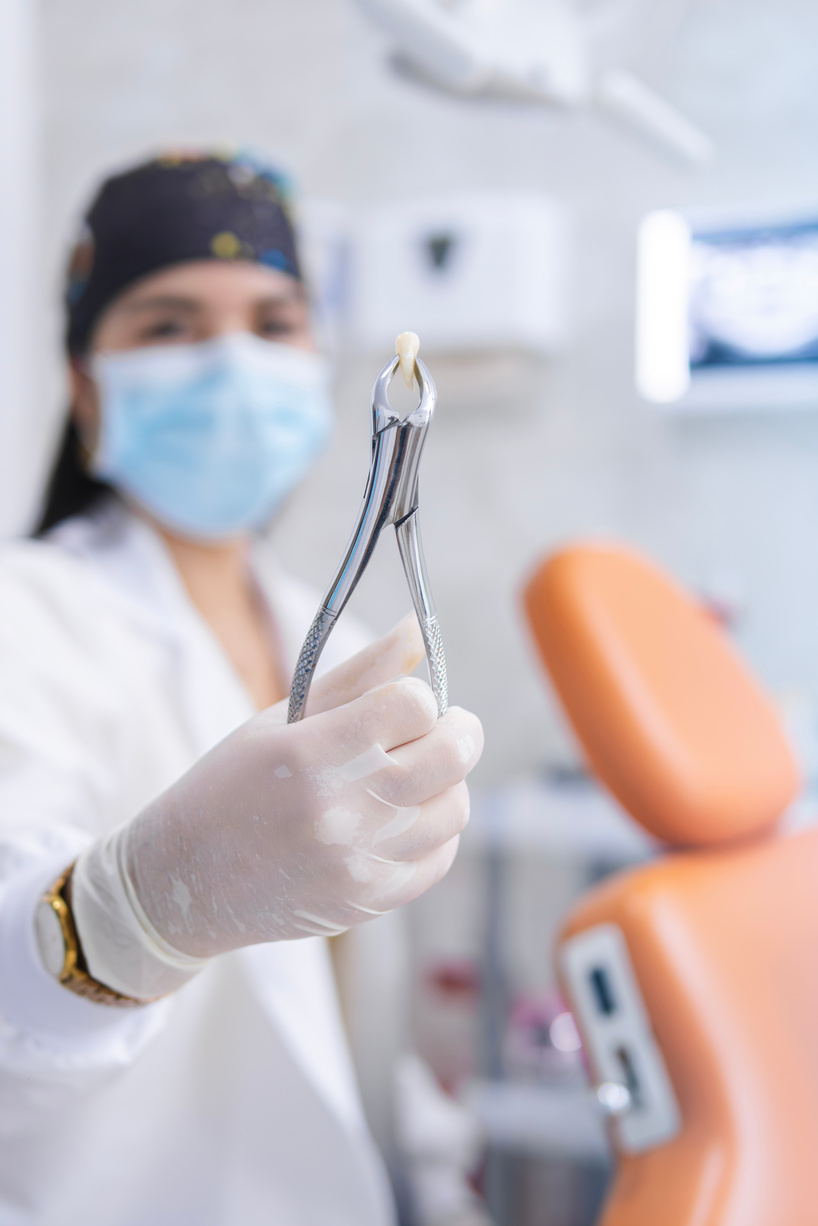
For a knocked out tooth, time is critical. Locate the tooth and pick it up by the crown, never touching the root surface. If the tooth is dirty, rinse it gently with milk or saline solution – never scrub or use soap, as this damages the periodontal ligament cells essential for reattachment. The best option is to immediately place the tooth back in its socket, positioning it correctly and having the patient bite down gently on clean gauze to hold it in place. If reinsertion isn’t possible, store the tooth in cold milk, saline, or the patient’s saliva. Never use tap water, as it can damage root surface cells. Contact Seattle Dental Studio immediately, as successful replantation rates decrease dramatically after 30 minutes outside the mouth.
When a tooth is loosened but not completely displaced, avoid touching or moving it unnecessarily. Apply cold compresses to the outside of the mouth to reduce swelling and control pain. Soft foods and liquids help prevent additional displacement until professional treatment can stabilize the tooth. Even if a luxated tooth seems to settle back into position on its own, a thorough dental exam remains essential to assess for root damage or fractures.
Fractured teeth require prompt attention, though the urgency depends on fracture severity. Minor chips may wait for regular appointment scheduling, but fractures exposing the inner tooth structure need same-day evaluation. Save any tooth fragments if possible, as they might be bonded back in place. Rinse your mouth with warm water and apply cold compresses to minimize swelling. If the fracture causes significant pain or sensitivity, this suggests pulp involvement requiring urgent care.
Soft tissue injuries often bleed heavily due to the mouth’s rich blood supply. Apply direct pressure with clean gauze or cloth to control bleeding. If bleeding doesn’t stop after 10-15 minutes of continuous pressure, seek immediate medical attention. Clean the wound gently with water and apply cold compresses to reduce swelling. Deep lacerations may require sutures to heal properly and prevent scarring.
Dental trauma encompasses various injuries affecting teeth, supporting structures, and surrounding soft tissues. These traumatic injuries range from minor enamel chips to complete tooth avulsion, each requiring specific treatment approaches. Understanding the types of dental injuries helps clarify the urgency and treatment options available.
Luxation injuries occur when traumatic forces displace teeth from their normal positions. An injured tooth may be pushed sideways, extruded partially from the socket, or intruded deeper into the bone. Dislodged primary teeth in children require careful evaluation to ensure the underlying permanent tooth hasn’t been damaged. Luxated permanent teeth often need repositioning and stabilization through splinting to allow the periodontal ligament to heal properly.
Avulsion represents the complete displacement of a tooth from its socket, constituting a true dental emergency. When a knocked out tooth receives immediate treatment and proper handling, the chances of successful replantation improve significantly. However, the vitality of the periodontal ligament cells on the root surface decreases rapidly with time, making every minute critical.
Soft tissue injuries accompanying dental trauma may involve lacerations to the lips, tongue, cheeks, or gums. These wounds can bleed extensively and may require suturing for proper healing. Addressing soft tissue injuries promptly prevents infection and promotes optimal recovery alongside any tooth-related treatment.
Crown fractures vary considerably in severity and treatment requirements. Enamel-only fractures represent the most superficial type, affecting just the tooth’s outer protective layer. These minor chips can be smoothed and polished or restored with composite bonding for aesthetic improvement. While not urgent, addressing these fractures prevents rough edges from irritating soft tissues and reduces sensitivity.
Fractures extending into the dentin layer expose microscopic tubules that communicate with the tooth’s nerve, causing significant sensitivity to temperature and pressure. These injuries require protective coverage with bonding materials or crowns to seal the exposed dentin and prevent bacterial penetration toward the pulp. When treated promptly, many dentin fractures can be managed without needing root canal treatment.
Crown fractures exposing the pulp constitute dental emergencies requiring immediate attention. The exposed nerve tissue is extremely painful and vulnerable to infection. Treatment typically involves root canal therapy to remove the damaged pulp, followed by crown placement to restore function and appearance. In children with immature permanent teeth, specialized techniques may preserve pulp vitality and allow continued root development.
Root fractures present more complex challenges than crown fractures due to their location below the gumline. Horizontal root fractures occur most commonly in the middle third of the root, though they can happen anywhere along its length. The prognosis depends on fracture location – fractures near the crown generally have poorer outcomes than those near the root apex.
Treatment for root fractures typically involves repositioning displaced fragments and stabilizing the tooth with a splint for several weeks or months. The healing process varies, with some fractures healing through hard tissue formation, others through connective tissue, and some remaining separated but stable. Regular monitoring through clinical examination and radiographs tracks healing progress and identifies potential complications like root resorption.
Vertical root fractures extending from the root tip toward the crown usually have poor prognoses and often necessitate extraction. These fractures typically result from trauma in teeth previously weakened by root canal treatment or large restorations. Symptoms may include pain when biting, swelling, and infection around the tooth.
Concussion represents the mildest form of luxation injury, where a tooth receives impact but shows no displacement or mobility. The tooth may feel tender when biting, and treatment focuses on monitoring for potential complications like pulp necrosis developing over time. Most concussed teeth recover fully without intervention.
Subluxation involves loosening of the tooth within its socket without displacement from normal position. The tooth exhibits increased mobility, and the periodontal ligament may bleed slightly. Treatment includes dietary modification to soft foods, avoiding chewing on the affected tooth, and monitoring during healing. Most subluxated teeth stabilize naturally within one to two weeks.
Extrusive luxation occurs when traumatic forces partially pull the tooth from its socket, making it appear elongated. Dr. Dbouk carefully repositions the tooth and stabilizes it with a flexible splint, allowing the periodontal ligament to reattach while maintaining some physiologic mobility. Extruded permanent teeth frequently require root canal treatment due to pulp damage, while primary teeth may be extracted if excessive mobility compromises the underlying permanent tooth.
Lateral luxation displaces the tooth in a direction other than axially, often locking it against the surrounding bone. This injury typically damages the alveolar bone socket and requires repositioning and rigid splinting. The prognosis varies depending on displacement severity and whether the tooth’s apex is fully formed.
Intrusive luxation, where the tooth is pushed deeper into the socket, represents one of the most severe luxation injuries. In children with primary teeth, intruded teeth may be allowed to re-erupt naturally if the intrusion is shallow and the underlying permanent tooth isn’t threatened. Deeply intruded primary teeth near eruption time for permanent teeth may require extraction. Intruded permanent teeth typically need surgical repositioning and stabilization, often followed by root canal treatment.
Many traumatic dental injuries damage the dental pulp, necessitating root canal therapy to save the tooth. Trauma can sever the blood supply to the pulp, causing immediate or delayed pulp necrosis. Even when the pulp initially survives, inflammation and internal bleeding may lead to eventual death of the nerve tissue.
Signs that an injured tooth may need root canal treatment include persistent pain, prolonged sensitivity to temperature, discoloration indicating internal bleeding, swelling around the tooth, or evidence of infection on radiographs. Dr. Dbouk monitors traumatized teeth carefully through follow-up appointments, as pulp necrosis may not become apparent for weeks or months following the initial injury.
The decision to start root canal treatment immediately versus waiting depends on several factors. Teeth with exposed pulps require immediate treatment to remove contaminated tissue and prevent infection. Luxated teeth often undergo root canal therapy shortly after repositioning, as the severe disruption to blood supply makes pulp survival unlikely. Fractured teeth with questionable pulp vitality may be monitored initially, with root canal treatment initiated if symptoms develop.
Treatment approaches differ for immature permanent teeth, where incomplete root development complicates traditional root canal procedures. When possible, Dr. Dbouk employs techniques to preserve pulp vitality in these teeth, allowing continued root formation. If the pulp cannot be saved, specialized procedures encourage root development through regenerative endodontic therapy or apexification.
Even with prompt and appropriate treatment, traumatic dental injuries may lead to complications requiring additional management. Understanding these potential issues emphasizes the importance of regular follow-up care after dental trauma.
Root resorption represents one of the most common complications following traumatic injuries. External root resorption occurs when the body’s cells begin breaking down the tooth’s root surface, gradually weakening the tooth structure. Internal resorption involves destruction of tooth structure from inside the root canal. Both types may eventually compromise tooth stability and require extraction if they progress extensively.
Pulp necrosis can develop immediately after severe trauma or gradually over months following seemingly minor injuries. Dead pulp tissue becomes infected, potentially leading to abscess formation and damage to surrounding bone. Monitoring traumatized teeth through periodic clinical examinations and radiographs allows early detection of pulp necrosis, enabling root canal treatment before complications develop.
Tooth discoloration commonly follows dental trauma, particularly when internal bleeding occurs. Pink or gray discoloration may indicate pulp damage requiring treatment. Some discolored teeth maintain vitality and function well despite appearance changes, while others develop necrosis. Dr. Dbouk evaluates discolored teeth to determine if intervention is necessary or if monitoring is appropriate.
Ankylosis occurs when a tooth integrates directly with surrounding bone, losing its normal periodontal ligament. Ankylosed teeth don’t respond to orthodontic forces and may fail to maintain position as neighboring teeth and jaw structures grow. This complication most commonly affects replanted teeth or severely luxated teeth. Treatment options depend on the patient’s age and degree of ankylosis.
When traumatic injuries occur, having immediate access to experienced emergency dental care makes a crucial difference in outcomes. Seattle Dental Studio prioritizes emergency appointments for patients experiencing dental trauma, understanding that prompt treatment is essential for saving damaged teeth and minimizing complications.
Dr. Dbouk’s extensive training in restorative and cosmetic dentistry provides the skills necessary to address both the functional and aesthetic aspects of traumatic dental injuries. From emergency stabilization to final restoration, treatment focuses on preserving natural teeth whenever possible and achieving results that look and function naturally.
Advanced technology at Seattle Dental Studio supports accurate diagnosis and treatment planning for dental trauma. Digital radiography provides immediate imaging to assess fractures, displacement, and root damage. This diagnostic capability allows Dr. Dbouk to determine the most appropriate treatment approach quickly and begin care without delay.
The comprehensive nature of services at Seattle Dental Studio means continuity of care throughout your recovery. Whether your injury requires dental implants if a tooth cannot be saved, dental crowns to restore fractured teeth, or periodontal services to address soft tissue injuries, you receive coordinated treatment from Dr. Dbouk.
Selecting the right provider for emergency dental care significantly impacts both immediate outcomes and long-term tooth survival. At Seattle Dental Studio, Dr. Dbouk‘s commitment to continuing education ensures treatment approaches reflect current evidence and best practices in dental traumatology. His technical skills, combined with compassionate care, help patients through these stressful situations with confidence.
If you or a family member experiences a traumatic dental injury, immediate professional care offers the best chance for saving damaged teeth and preventing complications. Seattle Dental Studio provides expert emergency dental care for all types of dental trauma, from minor fractures to completely knocked out teeth.
Don’t wait when dental trauma occur – prompt treatment makes a critical difference in outcomes. Contact Seattle Dental Studio immediately at (206) 539-1725 or through our contact form to schedule an emergency appointment. Dr. Dbouk and the team are committed to providing the skilled, compassionate care you need to recover from traumatic dental injuries and maintain your oral health.
REVIEWS SOURCED FROM GOOGLE, FACEBOOK, & YELP
Dr. Dbouk recently designed and placed an implant and a number of crowns in my upper mouth, and I am so happy with the end result.
I just had the preliminary surgery for 4 dental implants; Dr Dbouk did such a great job – 2 weeks later, I could barely tell there were incisions!
I have been receiving outstanding care at Seattle Dental Studio for over 20 years. The staff is knowledgeable, gentle and efficient.
Dr. Dbouk did an excellent job with my implants. Anne Raisler is always awesome to deal with, when it comes to insurance allowed amount and benefits.
Dr. Dbouk made me a lower front bridge after I had to have a tooth extracted. I love it! You can’t even tell that the teeth are not my own.
I recently got an anterior implant by Dr. Dbouk and I think I’ve found my permanent dentist…no one could tell that the implant was not my tooth!
Super friendly and incredibly responsive. Dr. Dbouk took his time with me, explaining things in an informative way so I could make decisions.
If I could select one dentist office for the rest of my life, it would be Dr. Dbouk’s office.
This was THE best experience I had in a dental clinic in a very long time. Thank you All for reinstating my confidence in the dental practice.
REVIEWS SOURCED FROM GOOGLE, FACEBOOK, & YELP