Dental trauma can shatter more than teeth. When accidents or injuries affect multiple areas of the mouth, the physical damage combines with emotional distress, creating a crisis that demands comprehensive care. Full mouth rehabilitation is the most effective solution for restoring both function and appearance after severe dental trauma, combining multiple treatment approaches to rebuild your smile from the ground up.
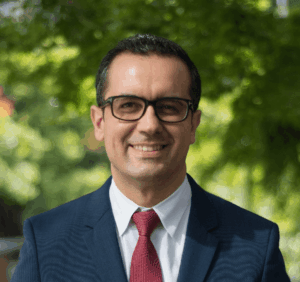
At Seattle Dental Studio, Dr. Dbouk specializes in managing these challenging cases through advanced restorative dentistry techniques. As a Master Implantologist and Board-certified diplomat in Oral Implantology with over 15 years of experience, Dr. Dbouk brings the expertise needed to restore complete oral health following traumatic dental injuries. His training in implantology, periodontics, and restorative dentistry, both in the U.S. and abroad, positions him to handle even the most complex rehabilitation cases.
Understanding Full Mouth Rehabilitation After Trauma
Full mouth rehabilitation after dental trauma involves rebuilding the entire oral system when multiple teeth suffer damage or loss. This comprehensive approach addresses more than cosmetic concerns. Traumatic dental injuries often affect jaw alignment, bite function, and supporting bone structure, requiring coordinated treatment across multiple dental specialties.
The rehabilitation process begins with a thorough assessment of all damaged structures. Dr. Dbouk evaluates not just visible tooth damage but also hidden injuries to roots, bone tissue, and soft tissues. This complete picture determines which treatments will work together to restore your mouth. Some patients need immediate interventions to preserve remaining tooth structure, while others benefit from a phased approach that allows healing between procedures.
Creating Your Treatment Plan
Every rehabilitation plan differs based on the extent and type of trauma. Your customized approach might combine dental crowns to protect damaged teeth, dental implants to replace missing ones, and bone grafting to rebuild lost jaw structure. The sequence matters as much as the treatments themselves. Addressing foundation issues first creates stability for restorative work that follows.
Dr. Dbouk’s position as an affiliate assistant professor at the University of Washington Graduate Prosthodontics program keeps him at the forefront of rehabilitation techniques. His lectures on topics such as accuracy in implant placement and avoiding surgical challenges when using advanced technologies inform his treatment planning. This academic connection translates to better outcomes for patients facing complex trauma cases.
Managing the Stages of Rehabilitation
Full mouth rehabilitation typically unfolds across several stages, each building on the previous one. Initial treatment focuses on stabilizing urgent problems, such as infections or severely broken teeth requiring extraction. This foundation work might include tooth extractions where teeth cannot be saved and immediate steps to preserve bone tissue.
The intermediate stage addresses structural rebuilding. Research from the American Academy of Implant Dentistry shows that within the first three months following tooth loss, patients can lose up to 25% of bone in that area. Timely intervention with bone grafts and tissue augmentation prevents this deterioration, creating a stable foundation for permanent restorations.
The final phase of treatment installs permanent solutions that restore both function and aesthetics. This might include placing single tooth dental implants, crafting custom crowns, or creating bridges spanning multiple missing teeth. The goal extends beyond making your smile look complete. Proper rehabilitation ensures you can eat comfortably, speak clearly, and maintain good oral health for years to come.
What Makes Dental Rehabilitation Successful?
Success in full mouth rehabilitation after trauma depends on several critical factors. First, choosing a provider with extensive training in multiple dental specialties ensures coordinated care. Dr. Dbouk’s certifications and academic positions demonstrate the depth of knowledge required for these complex cases. His membership in the Academy of Osseointegration reflects his commitment to staying current with advances in implant dentistry.
Second, utilizing advanced diagnostic technology improves treatment precision. Seattle Dental Studio employs 3D imaging and digital planning tools that map every aspect of your rehabilitation before treatment begins. This preparation reduces surprises during procedures and leads to more predictable results.
Third, patient cooperation throughout the treatment timeline proves essential. Full mouth rehabilitation requires multiple appointments over several months. Following post-procedure instructions, maintaining excellent oral hygiene, and attending all scheduled visits directly impact your final outcome. Dr. Dbouk provides clear guidance at each step, making the process manageable despite its complexity.
Restore Your Smile After Dental Trauma With Seattle Dental Studio
Living with dental trauma creates daily challenges that affect eating, speaking, and self-confidence. Seattle Dental Studio’s full mouth reconstruction services bring together Dr. Dbouk’s specialized training and clinical expertise. When you need someone who understands both the clinical and aesthetic aspects of rebuilding your smile, that combination of knowledge makes the difference between adequate treatment and exceptional results.
If you’re dealing with extensive dental trauma and wondering about your options, contact us to schedule a consultation. Dr. Dbouk will evaluate your specific situation, explain which treatments would benefit you most, and create a personalized rehabilitation plan that addresses your unique needs.