Most patients can expect the initial healing from dental implant surgery to take one to two weeks, with complete bone integration occurring over three to six months. The recovery process varies based on your overall health, the number of implants placed, and whether additional procedures like bone grafting were performed. Understanding each stage of healing helps you prepare for what lies ahead and ensures the best possible outcome for your new smile.
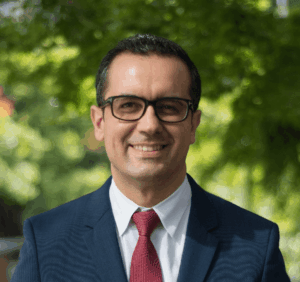
At Seattle Dental Studio, Dr. Hasan Dbouk uses advanced surgical techniques and precision planning to minimize discomfort and speed your recovery. As a Master Implantologist and Board-certified diplomat in Oral Implantology, Dr. Dbouk brings specialized expertise to every implant procedure. His training in implantology, periodontics, and restorative dentistry means he can anticipate potential complications and take steps to ensure smoother healing. Dental implants represent a significant investment in your oral health, and proper recovery is essential to achieving long-lasting results.
The First 24 to 48 Hours
The first two days after surgery are the most critical for managing discomfort and preventing complications. You’ll experience some bleeding, swelling, and tenderness around the surgical site. These symptoms are normal and actually indicate that your body has begun the healing process. Apply ice packs to your face for 15 minutes at a time during the first day to reduce swelling. Sleep with your head elevated on two pillows to minimize inflammation.
Stick to soft foods like yogurt, smoothies, mashed potatoes, and scrambled eggs. Avoid hot foods and drinks for the first 24 hours, as heat can increase bleeding. Don’t use a straw, as the suction can dislodge blood clots that protect the surgical site. Take prescribed pain medication as directed, even if you feel minimal discomfort. Staying ahead of pain is easier than catching up once it intensifies.
Week One Through Two
Most patients return to normal activities within a week, though some residual swelling may persist for up to two weeks. The surgical site will feel tender, but sharp pain should diminish significantly after the first few days. You can gradually reintroduce semi-solid foods like pasta, rice, and well-cooked vegetables. Continue avoiding hard, crunchy, or chewy foods that could stress the implant site.
Your oral hygiene routine requires special attention during this phase. Brush your teeth gently, avoiding the surgical area for the first few days. After 24 hours, rinse with warm salt water four to five times daily, especially after meals. This simple practice helps maintain a clean environment and promotes healing. Don’t skip your follow-up appointment, even if everything feels fine. Your dentist needs to verify that healing is progressing as expected and check for any early signs of complications.
Months One Through Three
During this period, osseointegration occurs. This is the process in which the jawbone grows around the titanium implant post, creating a secure foundation. You won’t feel this happening, but it’s the most critical phase of your recovery. The implant must remain undisturbed during osseointegration, which is why Dr. Dbouk typically places a temporary crown or leaves the implant covered beneath the gum tissue. Modern implants achieve a 95% success rate when properly cared for during this critical healing period.
You can resume most normal activities, including exercise, though contact sports should wait until your dentist gives clearance. Your diet can return to normal, but continue avoiding extremely hard foods that could put excessive pressure on the healing implant. Restorative dentistry options like temporary crowns help maintain your appearance while the permanent restoration is being crafted.
Months Three Through Six
By the three-month mark, most implants have achieved sufficient integration to support a permanent crown. Dr. Dbouk will schedule an appointment to uncover the implant if it was placed beneath the gum tissue, attach an abutment, and take impressions for your final restoration. Some patients may need the full six months for complete osseointegration, particularly if bone grafting was performed or if they’re replacing multiple teeth.
Once your permanent crown is placed, you’ll finally see and feel the full benefits of your dental implant. The restoration will look, feel, and function like a natural tooth. You can eat all your favorite foods without worry. Regular dental checkups and good oral hygiene will help your implant last for decades. Many patients forget which tooth is the implant because it integrates so seamlessly with their natural smile.
Factors That Affect Your Recovery
Several variables influence the rate of healing. Patients who don’t smoke, maintain good oral hygiene, and follow post-operative instructions typically experience faster, more comfortable recoveries. Certain medical conditions, like diabetes or autoimmune disorder,s may slow healing, but they don’t prevent successful implant placement. Dr. Dbouk evaluates your complete medical history during the consultation to develop a treatment plan that accounts for your unique situation.
The complexity of your procedure also impacts recovery time. Single tooth dental implants generally involve quicker healing than full arch dental implants that replace an entire upper or lower set of teeth. Additional procedures performed simultaneously, such as sinus lifts or ridge augmentation, extend the initial healing period but don’t change the long-term timeline for osseointegration.
Schedule Your Consultation at Seattle Dental Studio
Understanding the recovery timeline helps you plan for dental implant surgery with confidence. While the complete process takes several months, most patients find the investment worthwhile for the permanent, natural-looking results they achieve. Dr. Dbouk’s expertise as an affiliate assistant professor at the University of Washington Graduate Prosthodontics program means you’re receiving care that meets the highest academic and clinical standards.
Ready to explore whether dental implants are right for you? Contact us today to schedule a consultation at Seattle Dental Studio.