Immediate dental implants have transformed how patients can replace teeth while preserving time and tissues, but success depends on careful attention after surgery. Your body’s healing response and how you care for the surgical site in those first critical weeks can make the difference between a beautifully integrated restoration and complications that set back your recovery. While immediate implant placement offers convenience and aesthetic benefits, the process requires precise aftercare.
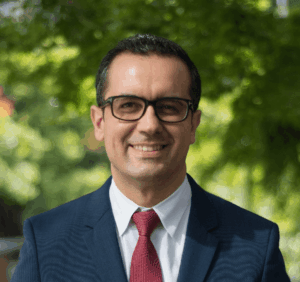
At Seattle Dental Studio, Dr. Dbouk brings over 15 years of experience in implant dentistry, with specialized training in immediate implant protocols that protect soft tissue and support proper integration. As a Master Implantologist and Board-certified diplomat in Oral Implantology, he has lectured on topics including guided surgeries and avoiding surgical challenges when utilizing advanced technologies for implant placement. This background allows him to anticipate potential issues and guide patients through recovery with precision.
Follow Post-Surgical Instructions Precisely
The instructions you receive after surgery exist for a reason. They’re tailored to immediate implant healing, where the implant sits in a fresh extraction site without the same initial stability as traditional implants placed in healed bone. During the first 24 hours, you should expect some bleeding, which is normal as your body begins forming a protective blood clot around the implant. Apply gentle pressure with clean gauze if bleeding persists, but avoid aggressive spitting or rinsing that might dislodge this clot.
Managing Initial Discomfort
Pain management starts before discomfort builds. Take prescribed medications on schedule rather than waiting for pain to peak. Anti-inflammatory medications help control swelling while narcotic pain relievers address acute discomfort. If Dr. Dbouk prescribes antibiotics, complete the full course even when you feel better, as this prevents infection that could compromise integration. Cold compresses applied to the cheek near the surgical site reduce swelling when used during the first 48 hours. Apply for 15 minutes on, then 15 minutes off.
Protecting the Surgical Site
Your temporary restoration or healing abutment protects the implant while integration occurs. Never attempt to remove or adjust these components yourself. If something feels loose or uncomfortable, contact the office rather than manipulating the area. The provisional crown or other temporary solution maintains space and aesthetics, but isn’t designed for heavy function yet.
Modify Your Diet During Healing
Food choices directly affect healing. For the first week, stick to soft foods that require minimal chewing and create no pressure on the implant site. Cold foods like smoothies, yogurt, and ice cream provide nutrition while reducing swelling. Room temperature soups, mashed vegetables, and protein shakes supply calories without requiring force. When you do eat, chew on the opposite side of your mouth from the surgical site. This reduces stress on the implant as it begins integrating with bone.
Avoid certain foods completely during the initial healing phase. Hard, crunchy items like nuts, chips, or raw vegetables can create excessive pressure. Sticky foods might dislodge the blood clot or cause temporary restoration. Very hot foods and beverages increase blood flow to the area, potentially causing bleeding. Skip alcohol during the first week, as it thins blood and may interact with medications. Don’t use straws, as the suction can disturb healing tissues.
Practice Modified Oral Hygiene
Keeping your mouth clean without disturbing the surgical site requires some adjustment. For the first 24 hours, avoid brushing near the implant area entirely. After that initial period, you can resume gentle brushing of other teeth, but stay away from the surgical site for the first week. Rinse with warm salt water starting 24 hours after surgery. Mix half a teaspoon of salt in eight ounces of warm water and swish gently after meals and before bed. This natural rinse reduces bacteria without harsh chemicals that might irritate healing tissues.
If Dr. Dbouk prescribes a chlorhexidine rinse, use it exactly as directed. This prescription antimicrobial mouth rinse helps prevent infection during the crucial early healing phase. After the first week, you can carefully brush around the healing abutment or temporary crown using a soft-bristled toothbrush. Avoid flossing directly at the implant site until Dr. Dbouk confirms the tissues have healed sufficiently.
Watch for Warning Signs
Most patients heal without complications, but recognizing problems early allows for quick intervention. Some indicators require immediate attention:
- Persistent bleeding: while light oozing is normal for the first day, heavy bleeding that doesn’t respond to pressure after several hours needs evaluation.
- Severe swelling: moderate swelling peaks around day three, then gradually subsides, but swelling that worsens after day four or spreads beyond the immediate surgical area suggests infection.
- Increasing pain: discomfort should steadily improve after the first few days, so pain that intensifies or changes character may indicate a problem with integration or infection.
- Fever: a temperature above 101°F often signals infection requiring antibiotic adjustment or additional treatment.
- Implant mobility: the implant should feel solid and stable, so any movement requires immediate professional assessment.
These symptoms don’t necessarily mean failure, but they do warrant prompt evaluation. Contact Seattle Dental Studio right away if you notice any concerning changes.
Attend All Follow-Up Appointments
Your recovery appointments aren’t optional. These visits allow Dr. Dbouk to assess integration progress, check tissue healing, and make any necessary adjustments to your temporary restoration. At your first follow-up, typically scheduled within a week of surgery, he examines the surgical site for proper healing and ensures the temporary crown or healing abutment functions correctly. Subsequent appointments monitor how bone grows around the implant threads, a process that takes several months.
During these visits, Dr. Dbouk may take X-rays to visualize bone formation around the implant. He checks your bite to confirm the temporary restoration isn’t bearing too much force, which could disrupt integration. These appointments also provide opportunities to ask questions about your specific healing process and when you can return to normal activities.
Experience Advanced Implant Care at Seattle Dental Studio
Dr. Dbouk’s training combines implantology, periodontics, and restorative dentistry, allowing him to manage every aspect of your immediate implant placement and recovery. As an affiliate assistant professor at the University of Washington Graduate Prosthodontics program, he stays current with the latest evidence-based protocols for immediate implant success. His membership in the Academy of Osseointegration reflects his commitment to ongoing education in implant integration science.
The office uses advanced diagnostic imaging and surgical planning technology to ensure accurate implant placement, which reduces complications and supports predictable healing. When you’re ready to schedule your consultation or have questions about your recovery, Seattle Dental Studio provides the focused care that immediate implant protocols require.