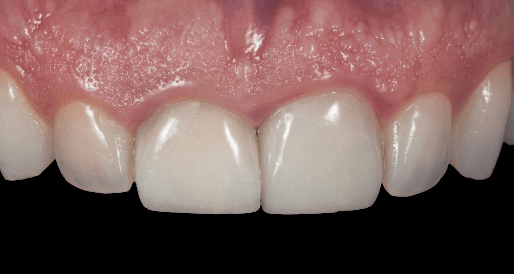
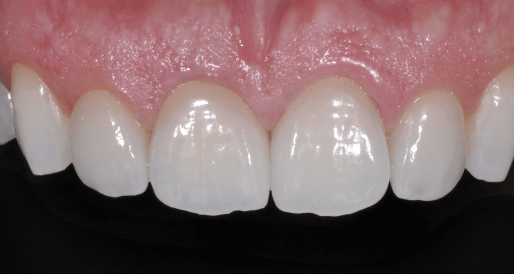
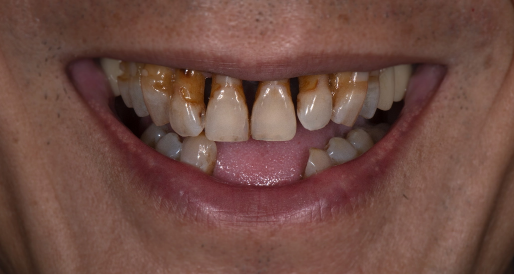
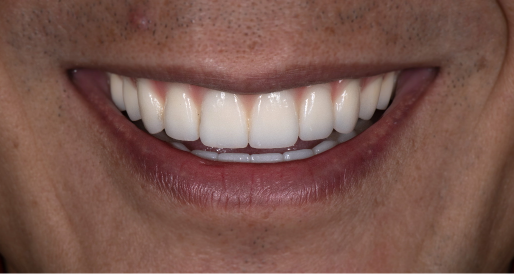
Missing teeth don’t just affect your smile—they can impact your confidence, ability to eat comfortably, and even your long-term oral health. Dental implants offer a permanent, natural-looking solution that can last a lifetime with proper care. Yet many patients worry about whether their implants will succeed, especially after hearing stories of complications or failures from friends or online forums.
While dental implant procedures have a high success rate, understanding the factors that contribute to failure and taking proactive steps to prevent them can significantly improve your outcomes. With the right approach and expert care, you can maximize the longevity of your dental implants and enjoy their benefits for decades to come.
Choose an Experienced Implant Specialist
One of the most important decisions you’ll make is selecting the right provider for your dental implant procedure. The expertise and training of your implant specialist directly affect your treatment’s success. An experienced implantologist understands the nuances of implant placement, from assessing bone density to positioning implants with precision for optimal integration.
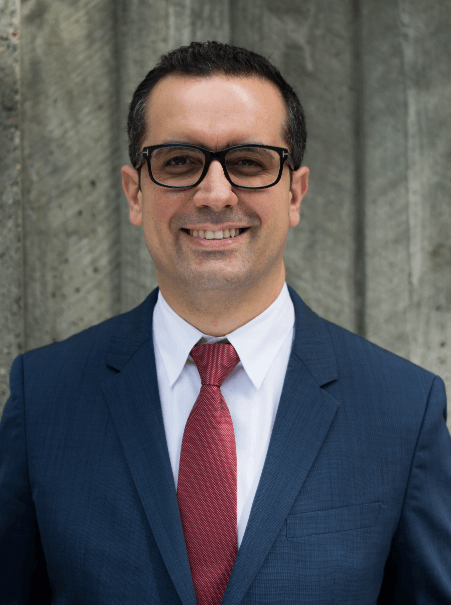
Dr. Dbouk is a Master Implantologist and Board-certified diplomat in Oral Implantology, with advanced training in implantology, periodontics, and restorative dentistry both in the U.S. and abroad. His expertise has been recognized through his role as an affiliate assistant professor at the University of Washington Graduate Prosthodontics program, where he lectures on topics such as accuracy in implant placement and avoiding surgical challenges. When you choose a specialist with this level of training, you’re investing in experience that can prevent complications before they occur.
Maintain Excellent Oral Hygiene
Just like natural teeth, dental implants require consistent daily care to remain healthy. While the implant itself cannot decay, the surrounding gum tissue and bone remain vulnerable to bacterial infection. Poor oral hygiene can lead to peri-implantitis, a condition characterized by inflammation and bone loss around the implant that represents one of the leading causes of implant failure.
Brush twice daily with a soft-bristled toothbrush, floss carefully around your implants, and consider using an antimicrobial mouthwash to reduce bacteria. Your home care routine forms the foundation of long-term implant success. Regular dental checkups allow your dental team to monitor your implants and catch any early warning signs before they become serious problems.
Address Medical Conditions and Risk Factors
Certain health conditions and lifestyle factors can increase your risk of implant failure. Research shows that dental implants have an overall failure rate of approximately 3%, with various medical and behavioral factors contributing to complications. Uncontrolled diabetes, for example, can impair healing and osseointegration—the process by which the implant fuses with your jawbone. Similarly, smoking significantly compromises blood flow to the gums and bone, reducing the body’s ability to heal after surgery.
If you have any chronic health conditions, work closely with both your physician and dental team to optimize your health before proceeding with implants. Be honest about your medical history, including medications you take, as some drugs can affect bone healing. For smokers, quitting—or at least significantly reducing tobacco use—before and after your procedure dramatically improves your chances of success.
Ensure Adequate Bone Quality and Quantity
The foundation of a successful dental implant is a healthy, dense bone that can support the implant fixture. Insufficient bone volume or poor bone quality represents a significant risk factor for failure. When you’ve been missing teeth for an extended period, the jawbone naturally begins to deteriorate through a process called resorption. This bone loss can make implant placement more challenging and less predictable.
Fortunately, modern dentistry offers solutions. Bone grafting procedures can rebuild lost bone structure, creating a solid foundation for implant placement. While grafted sites require extra attention and healing time, they enable patients who might otherwise be unsuitable candidates to receive implants successfully. Your implant specialist will evaluate your bone through advanced imaging and recommend the appropriate preparatory procedures if needed.
Follow Post-Operative Instructions Carefully
The weeks following your implant surgery are critical for proper healing and integration. During this time, the implant is fusing with your surrounding bone tissue—a delicate process that can be disrupted by premature pressure, infection, or trauma. Following your dentist’s post-operative instructions precisely gives your body the best chance to heal correctly.
Avoid hard or chewy foods during the initial healing period, take prescribed medications as directed, and maintain gentle oral hygiene around the surgical site. Report any unusual symptoms like persistent pain, swelling, or bleeding to your dental team immediately. Most complications can be addressed successfully when caught early, but ignoring warning signs can lead to implant failure.
Attend Regular Professional Maintenance Visits
Long-term implant success requires ongoing professional care beyond your home hygiene routine. Periodontal maintenance appointments allow your dental team to perform thorough cleanings around your implants, removing plaque and tartar that you can’t eliminate at home. These visits also provide opportunities to assess the stability of your implants and the health of surrounding tissues.
Research demonstrates that patients who maintain regular dental visits have significantly better implant outcomes than those who skip preventive care. Your dental team can identify subtle changes in tissue health or bite alignment that might compromise your implants if left unaddressed. Think of these appointments as insurance for your investment—they help protect the considerable time and resources you’ve devoted to restoring your smile.
Trust Your Smile with Expert Implant Care
Dental implant failure is relatively rare, and most failures can be prevented with proper planning, expert execution, and diligent aftercare. Dr. Dbouk’s advanced training and commitment to continuing education ensure that you receive care informed by the latest techniques and research in implant dentistry. His membership in the Academy of Osseointegration and his teaching role at the University of Washington demonstrate his dedication to excellence in implantology.
When considering a professional to restore your smile, choose an expert who brings the expertise you need, the skills you deserve, and the compassion you want. If you’re considering dental implants or have concerns about your current implants, contact our office to schedule a consultation. Dr. Dbouk and our team will evaluate your unique situation and create a personalized treatment plan designed for long-term success.