Cosmetic Dentistry

What Happens If You Delay Replacing a Missing Tooth?

Cosmetic Dentistry

What Happens If You Delay Replacing a Missing Tooth?

Losing a tooth feels overwhelming at first, but life quickly gets busy, and that gap in your smile might seem like something you can address later. The reality is that delaying tooth replacement sets off a series of changes in your mouth that become harder and more costly to fix over time. Your jawbone begins to shrink without the tooth root’s stimulation, neighboring teeth start shifting toward the empty space, and the opposing tooth may even erupt downward into the gap. Understanding these consequences helps you make an informed decision about dental implant restorations and other replacement options before complications develop.

The good news is that modern restorative dentistry provides several effective solutions for replacing missing teeth, from dental implants to bridges and dentures. The key is acting sooner rather than later. When you replace a missing tooth promptly, you prevent the cascade of problems that affect not just your oral health but your facial appearance, chewing ability, and overall confidence. Taking action now means simpler treatment, better results, and a healthier smile for years to come.

How Bone Loss Accelerates After Tooth Loss

Your jawbone stays strong because tooth roots stimulate it every time you chew. When a tooth goes missing, that stimulation stops, and the bone in that area begins to deteriorate. According to research published in the Journal of Prosthodontic Research, approximately 50% of alveolar bone width is lost within the first 12 months after tooth extraction, with 30% of that loss occurring in just the first 12 weeks. This rapid resorption happens because your body perceives the bone as no longer necessary without a tooth to support.

The consequences of bone loss extend beyond the immediate area. As the jawbone shrinks, it can change your facial structure, causing your cheeks to appear sunken and your jawline to look less defined. This aging effect becomes more pronounced the longer you wait to replace the missing tooth. Bone loss also makes future dental implant placement more challenging since implants require adequate bone density for stability. Many patients who delay treatment find themselves needing bone grafting procedures before implants can be placed, adding time and expense to the restoration process.

Neighboring Teeth Shift Into the Gap

Your teeth work as a team to maintain proper spacing and alignment. When one tooth disappears, the surrounding teeth begin drifting toward the empty space in an attempt to fill it. The teeth on either side of the gap tilt inward, while the tooth in the opposite arch may erupt downward or upward into space. This movement creates new gaps elsewhere in your mouth and disrupts the careful balance of your bite.

The Impact on Your Bite Alignment

As teeth shift out of position, your upper and lower teeth no longer fit together correctly. This misalignment forces you to compensate by chewing differently, which places uneven pressure on certain teeth and jaw joints. Over time, you might experience jaw pain, clicking, or difficulty opening your mouth fully. The changes in your bite can also make some teeth more vulnerable to damage from excessive force during chewing. Dental crowns may eventually be needed to protect teeth that have been compromised by the altered bite pattern.

Increased Risk of Additional Tooth Loss

The shifting teeth create tight spaces that trap food particles and make thorough cleaning nearly impossible. Bacteria accumulate in these hard-to-reach areas, leading to cavities and gum disease. Gum disease, which becomes more likely when teeth are crowded or misaligned, is already the leading cause of tooth loss in adults. Protecting your remaining teeth starts with addressing the gap before these complications take hold.

Chewing Becomes Difficult and Inefficient

Missing even a single tooth affects how well you can break down food. You instinctively avoid chewing on the side with the gap, which means the opposite side handles all the work. This imbalance wears down the teeth on your functioning side faster than normal and can strain the jaw muscles and temporomandibular joint. Certain foods become off-limits because you simply cannot chew them effectively without all your teeth working together.

Your digestion suffers when food is not properly chewed before swallowing. Large pieces of food are harder for your stomach to process, potentially leading to digestive discomfort and reduced nutrient absorption. The limitations on your diet might push you toward softer, processed foods that lack the nutritional value of fresh fruits, vegetables, and lean proteins. 

These dietary changes can affect your overall health beyond just your oral function, making tooth replacement an investment in your whole-body wellness.

Your Speech Patterns May Change

Teeth play an important role in forming certain sounds, particularly those that require tongue placement against the teeth. Missing front teeth can make it difficult to pronounce words with “s,” “t,” “th,” and “f” sounds clearly. You might develop a slight lisp or find that your speech sounds different than before. While these changes might be subtle at first, they can become more noticeable over time and affect your confidence in social and professional situations.

The impact on speech is often one of the more distressing consequences for people who have lost visible teeth. You might find yourself speaking less in meetings, avoiding video calls, or feeling self-conscious during conversations. Professional teeth whitening and other cosmetic services can enhance your smile, but they cannot help if teeth are missing. Replacing the lost tooth restores both your appearance and your ability to communicate clearly without hesitation.

Self-Confidence Takes a Hit

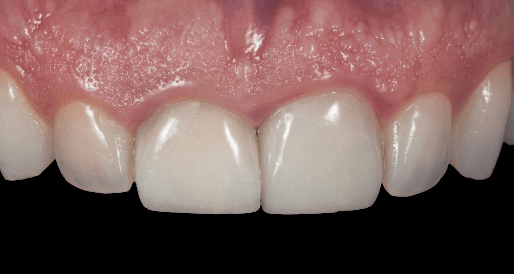
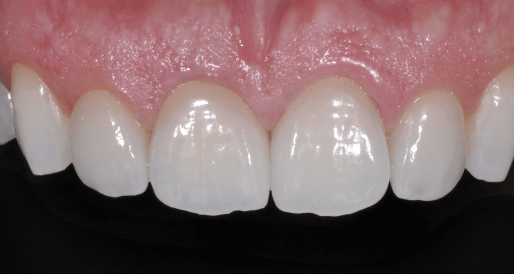
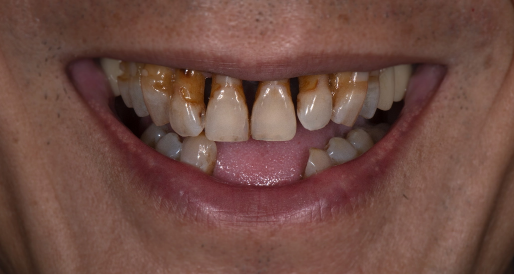
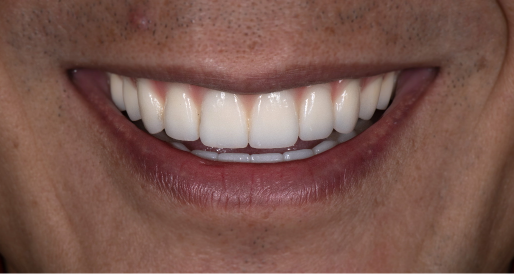
A gap in your smile changes how you see yourself and how others see you. Many people with missing teeth become hesitant to smile, laugh, or even speak in public. You might find yourself covering your mouth when you talk or avoiding social gatherings altogether. These behavioral changes can affect your relationships, career opportunities, and overall quality of life in ways that go far beyond oral health.

The emotional toll of missing teeth is significant. Studies show that tooth loss is associated with lower self-esteem and higher rates of social isolation. When you feel embarrassed about your appearance, you miss out on experiences and connections that make life fulfilling. Replacing your missing tooth does more than restore function. It gives you back the confidence to engage fully with the world around you. Dental veneers can also help perfect your smile if other teeth have cosmetic imperfections, but addressing the missing tooth comes first.

Restore Your Smile at Seattle Dental Studio

Delaying tooth replacement allows problems to compound, making treatment more complex and expensive down the road. The sooner you address a missing tooth, the simpler the solution and the better the long-term outcome. Dr. Dbouk, a Master Implantologist and Board-certified diplomat in Oral Implantology, brings over 15 years of expertise to every restoration. As an affiliate assistant professor at the University of Washington Graduate Prosthodontics program and a member of the Academy of Osseointegration, Dr. Dbouk uses advanced techniques to deliver results that look natural and function beautifully.

Seattle Dental Studio offers comprehensive tooth replacement options, including dental implants, bridges, and dentures, tailored to your specific needs and goals. The practice works with major insurance providers, including WDS, Delta Dental, Regence, and Premera, to make treatment accessible. Do not let another day pass with a gap in your smile, affecting your health and confidence. Contact Seattle Dental Studio today to schedule a consultation and discover how restoring your smile can transform your life.