Cosmetic Dentistry

The Science of Osseointegration in Dental Implants

Cosmetic Dentistry

The Science of Osseointegration in Dental Implants

Osseointegration describes the biological process where titanium implants bond directly with the jawbone at a cellular level, creating a stable foundation for replacement teeth. This fusion occurs through specialized bone cells that grow onto the implant surface, gradually integrating the metal post into your skeletal structure over several months.

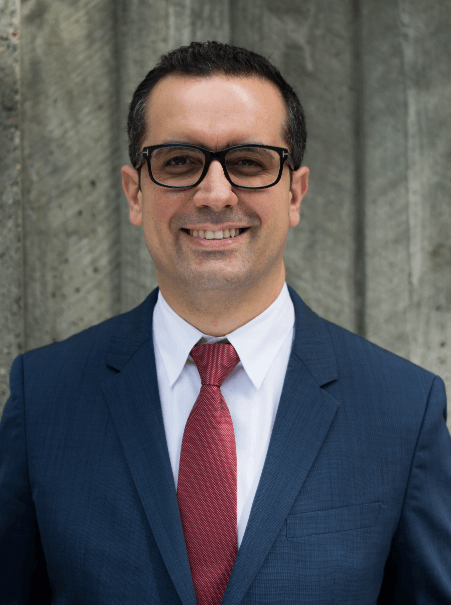
At Seattle Dental Studio, Dr. Hasan Dbouk applies his training in implantology and periodontics to place implants that achieve successful osseointegration. As a Master Implantologist and Board-certified diplomat in Oral Implantology, Dr. Dbouk brings over 15 years of clinical experience to each procedure. His position as an affiliate assistant professor at the University of Washington Graduate Prosthodontics program reflects his deep knowledge of the biological mechanisms that make implant dentistry possible.

Understanding the Biological Integration Process

Osseointegration begins immediately after implant placement. Your body recognizes titanium as a biocompatible material and starts depositing bone cells around the implant surface. Unlike other metals that trigger rejection responses, titanium allows osteoblasts to attach directly to its surface without forming scar tissue between the bone and implant.

The process typically requires three to six months for complete integration. During this healing period, bone density around the implant gradually increases as new bone forms through a process called osteogenesis. The microscopic texture of modern implant surfaces encourages faster bone growth by providing attachment points for cells to anchor and multiply.

Factors That Influence Successful Integration

Bone quality plays a significant role in osseointegration success. Dense bone in the lower jaw typically integrates faster than the less dense bone found in the upper jaw. Patients with good bone density may achieve integration in as few as three months, while those with softer bone might need six months or longer.

Your overall health status affects how quickly bone grows around the implant. Conditions that slow healing, such as uncontrolled diabetes or autoimmune disorders, can extend the integration timeline. Smoking restricts blood flow to the surgical site, which limits the oxygen and nutrients needed for bone formation. Studies show that dental implants achieve a 95% success rate when proper protocols are followed and patients maintain good health.

The Role of Primary Stability

Initial stability at the time of placement determines whether osseointegration can proceed successfully. The implant must remain motionless during the healing phase to allow bone cells to attach properly. Any movement during this critical period disrupts the cellular attachment process and may lead to fibrous tissue formation instead of bone integration.

Surgical precision ensures the implant fits tightly within the prepared site. Dr. Dbouk uses advanced planning techniques and surgical guides to position implants at optimal angles and depths. This careful placement creates the mechanical stability needed for biological integration to occur.

Timeline and Stages of Bone Integration

The first two weeks after surgery focus on initial wound healing. Blood clots form around the implant, providing a framework for new tissue growth. This early phase sets the stage for the longer osseointegration process to begin.

Between weeks two and twelve, woven bone starts forming around the implant surface. This immature bone tissue gradually matures into stronger lamellar bone through a remodeling process. The bone becomes denser and more organized as it adapts to the forces the implant will eventually bear.

Achieving Long-Term Stability

After three to six months, the integration process reaches maturity. The implant becomes as stable as a natural tooth root, capable of supporting the forces generated during chewing. At this point, Dr. Dbouk can attach the final restoration, whether you need a single crown, bridge, or full arch replacement.

Maintaining integration requires proper care after the restoration is placed. Regular cleaning prevents bacterial buildup that could compromise the bone around the implant. Patients who practice good oral hygiene and attend routine checkups maintain their implants successfully for decades.

How Immediate Implants Work Differently

Immediate dental implants placed right after tooth extraction follow a modified integration pathway. The implant must stabilize within the extraction socket while the bone heals and remodels simultaneously. This approach requires excellent bone quality and precise surgical technique but offers the advantage of reducing overall treatment time.

The extraction socket provides natural contours that help guide bone formation around the implant. However, gaps between the implant and socket walls may require bone grafting to fill spaces and encourage complete integration. Dr. Dbouk evaluates each case individually to determine whether immediate placement offers the best outcome.

Supporting Integration With Proper Surgical Technique

Modern implant dentistry relies on detailed planning to maximize integration success. Three-dimensional imaging reveals bone density, anatomical structures, and optimal implant positions before surgery begins. This planning reduces surgical time and improves placement accuracy, both of which contribute to better osseointegration.

Surface treatments on contemporary implants enhance bone cell attachment. Sandblasted and acid-etched surfaces create microscopic roughness that accelerates the integration timeline. These technological advances have significantly improved success rates compared to earlier smooth-surface implants.

Choose Seattle Dental Studio for Implant Excellence

Dr. Dbouk’s membership in the Academy of Osseointegration demonstrates his commitment to staying current with the latest research and techniques in implant dentistry. His lectures on accuracy in implant placement and advanced technologies reflect the depth of knowledge he brings to your care. Whether you need a single tooth replacement or full mouth reconstruction, Seattle Dental Studio provides the clinical skill and biological understanding necessary for successful implant outcomes.

Successful osseointegration depends on proper planning, precise surgical execution, and appropriate healing protocols. Contact us to learn how Dr. Dbouk’s training and experience can help you achieve lasting results with dental implants.